Secondhand is genuinely sensible for clothes, books, toys and non-sleep furniture. It is not for car seats with unknown history, cribs made before June 2011, mattresses, or personal breast pumps 25. Before buying anything used, check the model against CPSC's recall database — and know that selling a recalled product is illegal, so the seller may simply not have checked 36.
The first year with a baby is expensive almost everywhere you look. Middle-income families spend somewhere in the range of $21,000 to $36,000 in that first year alone — not counting the cost of the birth itself — and gear is a real chunk of that 1. Secondhand shopping is one of the few honest ways to bring that number down, but it only works as a strategy if you know exactly which categories are actually safe to buy used.
Where secondhand genuinely makes sense
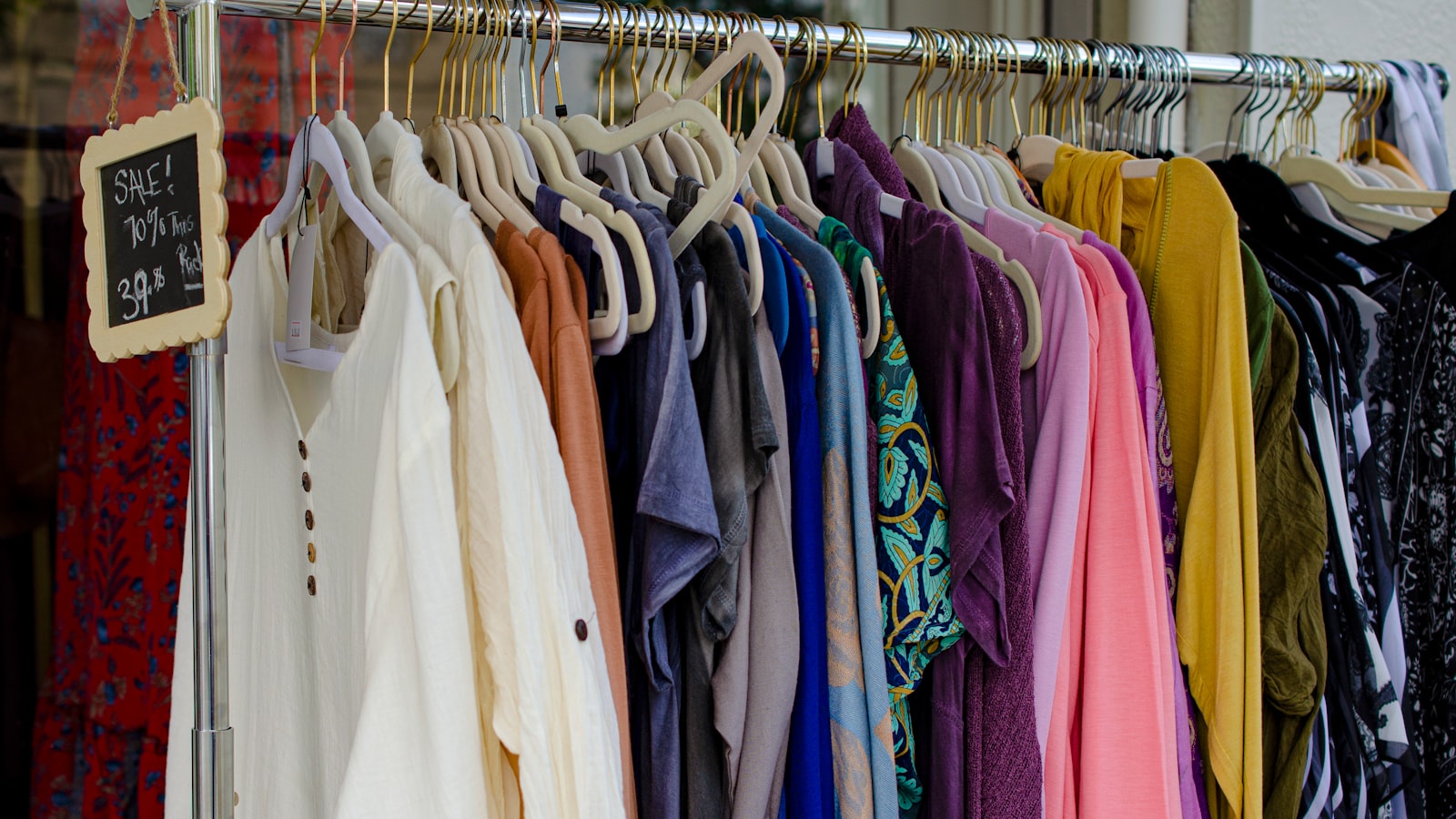
Clothing — babies outgrow sizes every two to three months, and secondhand clothes are essentially as good as new, often barely worn at all before they're passed on.
Books and most toys, once checked against the recall list below.
Furniture that isn't sleep-related — changing tables, dressers, gliders — where there's no equivalent of a crash-damage or expiration risk to worry about.
Strollers, if every part is present, nothing is cracked or missing, and the specific model hasn't been recalled.
High chairs, baby baths, bouncers and carriers, subject to the same recall check and a look at straps and buckles.
These are also the categories where the savings are largest relative to use, because they're outgrown fastest.
Where secondhand is genuinely risky
Car seats top this list. They have a real expiration date — typically 6 to 10 years from manufacture — and a secondhand seat may have hidden crash damage you can't see, since even a minor accident can compromise a seat's structural integrity without leaving a visible mark. If you don't know its full history, don't use it 2.
Cribs and bassinets. Federal regulation banned the sale and resale of drop-side cribs in the US back in 2011 after they were linked to a string of infant deaths, but older ones can still turn up secondhand — confirm any crib's model and manufacture date against current safety standards before using it, not just its general appearance.
Mattresses. Firmness degrades with use, you can't verify the history, and a used mattress may not fit the crib you're pairing it with.
Anything with a recall history. A surprising number of recalled products stay in circulation for years because the original buyer never registered it and the secondhand buyer never checked — a recall doesn't automatically pull an item off resale shelves or out of a relative's attic.
Inclined sleepers, loungers, positioners and crib bumpers. These shouldn't be used at all, new or used.
Breast pumps — see below, because this one has a real nuance.
Breast pumps: the nuance that matters
"Never buy a used pump" is nearly right, but the reason matters, and there's a legitimate exception.
The FDA considers breast pumps single-user devices, with the exception of pumps specifically designed for multiple users 5. A pump reused by different people can carry infectious particles, because there's no way to guarantee the internal parts can be cleaned and disinfected between users. Buying used may also void the warranty and cut you off from manufacturer support 5.
The exception is rental pumps. Many hospitals, lactation consultants and medical supply stores rent pumps that are genuinely designed for multiple users, built to reduce contamination risk, where each renter buys a new accessory kit with their own breast shields and tubing 5. That's a different product, used as intended.
One caveat worth knowing: the FDA does not recognise "hospital-grade" as a defined term, so it can mean different things from different companies 5. If you rent, ask a clinician or lactation consultant for a reference, and confirm with the manufacturer that the specific model is approved for multiple users 5.
The two-minute check that actually matters
Before buying any secondhand baby product, search the brand and model on two official government databases:
CPSC.gov/Recalls — the U.S. Consumer Product Safety Commission's full recall database for household and children's products 3.
NHTSA.gov/recalls — for car seats specifically, since they fall under vehicle safety equipment rather than general consumer products 4.
It takes about two minutes and is one of the few genuinely free ways to catch a real safety issue before it becomes your problem.
It is illegal to sell, offer for sale, or give away a recalled product — and that applies to thrift stores, consignment shops, charities, online marketplaces, yard sales and private sellers alike 6. Resellers are not required to test used products, but they are responsible for knowing whether an item has been recalled 6. In practice many simply don't check, which is exactly why the two-minute search falls to you.
Still reading? You might want the next one in your inbox.
New guides go out the moment they're published — no noise in between.
What to physically inspect
Category | Check specifically |
|---|---|
Stroller | Brakes hold on a slope; harness and buckles intact; frame not cracked; folding latch engages; all parts present |
High chair | Crotch post and full harness present; tray locks; no cracks; stable when rocked |
Carrier | No frayed webbing or stitching; buckles click firmly; knee-to-knee support intact |
Play yard | Original mat present; mesh not torn; hinges lock fully; no repairs or added padding |
Toys | Nothing that fits through a toilet-paper tube; no loose eyes, magnets or batteries; battery compartments screwed shut |
Furniture | Anchor kit available; drawers stable; no lead-paint risk on very old painted items |
The instructions matter more than they look. Without a manual you often can't identify the model, which means you can't check the recall, and you may not know what parts are missing.
Questions worth asking the seller
Do you have the manual and all the original parts?
Do you know the model number and manufacture date?
Has it ever been recalled, repaired, or had a part replaced?
*(Car seats only)* Has it ever been in a crash, however minor?
Has it been stored somewhere damp, hot, or outside?
If someone can't answer these for a car seat or a crib, that isn't a negotiation point — it's the end of the conversation.
If you discover a product you've been using has been recalled, stop using it immediately rather than waiting for a repair kit, and ask your pediatrician about anything you noticed while it was in use. Seek urgent care for any injury involving entrapment, a fall from height, a swallowed small part, battery or magnet, or a strap or buckle failure. If a product fails dangerously, report it at SaferProducts.gov — that's how patterns get spotted and recalls get issued.
FAQ
Is it ever safe to use a secondhand car seat?
Only if you can confirm no crash history, no recall, not expired, all parts present and no damage — usually meaning it comes from someone you know well 2.
Can I buy a used breast pump?
Not a personal single-user pump. Rental pumps designed for multiple users, with your own new accessory kit, are a legitimate option 5.
Why shouldn't I buy a used crib mattress?
Firmness degrades, the history is unknown, and it may not fit your crib tightly enough — the two-finger gap rule still applies.
Is it legal for a thrift store to sell recalled items?
No. Selling or even giving away a recalled product is illegal, though resellers aren't required to test items — which is why you should check 6.
What's genuinely the best value secondhand?
Clothing, by a wide margin, followed by books and toys — the things outgrown fastest and used most gently.
Secondhand is a legitimate way to cut costs in an expensive year — for clothes, books, toys, and non-sleep furniture. For car seats and cribs specifically, buy new, or buy secondhand only from someone who can account for the item's full history. Run the two-minute recall check every time, because the seller is legally obliged not to sell recalled goods but very often hasn't looked.
Sources
Every claim, sourced
6 sources cited in this guide
- 1How Much Does a Baby Cost per Month in the First Year? — New York LifeCost analysis · Accessed September 2026
- 2Is It Safe to Buy a Used Car Seat, Stroller, or Crib for Your Baby? — Consumer ReportsConsumer testing organisation · Accessed September 2026
- 3
- 4Check for Recalls: Vehicle, Car Seat, Tire, Equipment — National Highway Traffic Safety AdministrationGovernment database · Accessed September 2026
- 5Buying and Renting a Breast Pump — U.S. Food and Drug AdministrationRegulatory guidance · Accessed September 2026
- 6Resellers Guide to Selling Safer Products — U.S. Consumer Product Safety Commission, 2021Regulatory guidance · Accessed September 2026